
Press Zero to Speak to a Live Representative: Why MA Plans Still Need to Prioritize Customer Service Regardless of New Star Rating Measures
Emily Dykstra, Research Manager
In their recent final rule for Contract Year 2027, CMS removed 11 measures from Star Rating calculations due to almost universally high ratings among MA plans, which diminished their ability to differentiate performance.¹ The majority of these measures focused on customer service, including call center interpreter requirements and complaints about the health plan. CMS also noted that this change will refocus Star Ratings on clinical outcomes rather than administrative tasks.
This is a drastic about-face from 2020, when CMS updated the Star Ratings methodology to quadruple-weight customer service and other CAHPS-related measures. By 2023, about 57% of the overall Star Rating was tied to customer service, placing less emphasis on clinical outcomes. Plans had a harder time meeting these measures than clinical ones, resulting in reductions in Star Ratings—from 74 contracts earning five stars in 2022 to only seven in 2025.² Part of the surge in five-star plans was due to CMS’s response to the COVID-19 pandemic, which allowed plans to choose between 2020 or 2021 data for their 2022 scores. This effect has been gradually correcting itself over the past few years, alongside additional changes to Star Ratings methodology.
While these new Star Rating changes that deemphasize customer service may be a breath of fresh air, MA plans would be wise not to abandon investments in customer service altogether. Deft Research’s 2026 Medicare Member Onboarding and Management Study demonstrates the impact of customer service on overall CAHPS plan ratings. When a member calls the customer service line and has a respectful interaction—even if they do not obtain the information they were seeking—they are still more likely to give their plan high ratings compared to members who did not have a respectful experience.
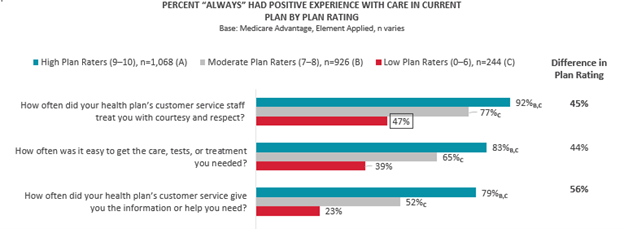
Carriers need to balance educating their customer service representatives so they can effectively answer member questions on the first call, with training on tone and communication to ensure members feel they had a respectful and positive experience.
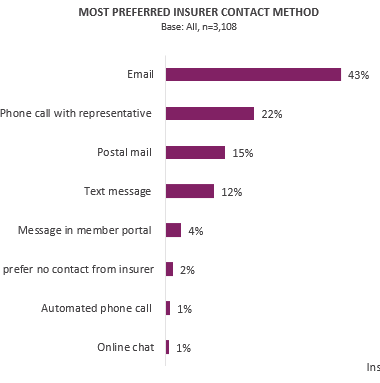
Furthermore, Deft Research’s 2025 Medicare Digital Tools Study shows a strong mistrust in the ability of AI to replace live customer service representatives, particularly when it comes to efficiency and the ability of an AI agent to connect members to the correct providers. Although some plans may be tempted to reduce customer service costs by implementing AI-driven call programs, this approach is unlikely to be well received by senior members. Similarly, Deft Research’s 2025 Medicare Member Experience Study shows a strong preference for outreach from insurers to come from a live representative rather than an automated phone call or AI-driven chat (22% vs. 1% and 1%). Seniors are simply not interested in interacting with AI when it comes to their healthcare—especially when contacting customer service.
As overall plan ratings will remain part of the Star Ratings calculation, carriers should strongly consider maintaining the live customer service representatives and quality assurance processes that have been in place to keep their members satisfied. Happy members lead to higher plan ratings, and high-quality live customer service will remain an integral part of that equation.
Citations
- https://www.cms.gov/newsroom/fact-sheets/contract-year-2027-medicare-advantage-part-d-final-rule
- https://www.cms.gov/newsroom/fact-sheets/2025-medicare-advantage-part-d-star-ratings