
The Impact of Communication and Trust on Health Plan Performance
Petra Brock, Sr. Research Manager –
Over the last several years, Medicare Advantage members have faced substantial disruption, including forced disenrollments, narrower provider networks, reduced or eliminated supplemental benefits, and increased prescription drug cost sharing. These changes have tested members’ trust in their health insurance carriers and contributed to declines in key member experience metrics. As reported in Deft’s 2025 Medicare Member Experience Study, Medicare Advantage plan ratings dropped 4 percentage points between 2024 and 2025 to the lowest rating since before the COVID-19 pandemic. During the same period, NPS declined 9 points and loyalty fell by 6 percentage points.
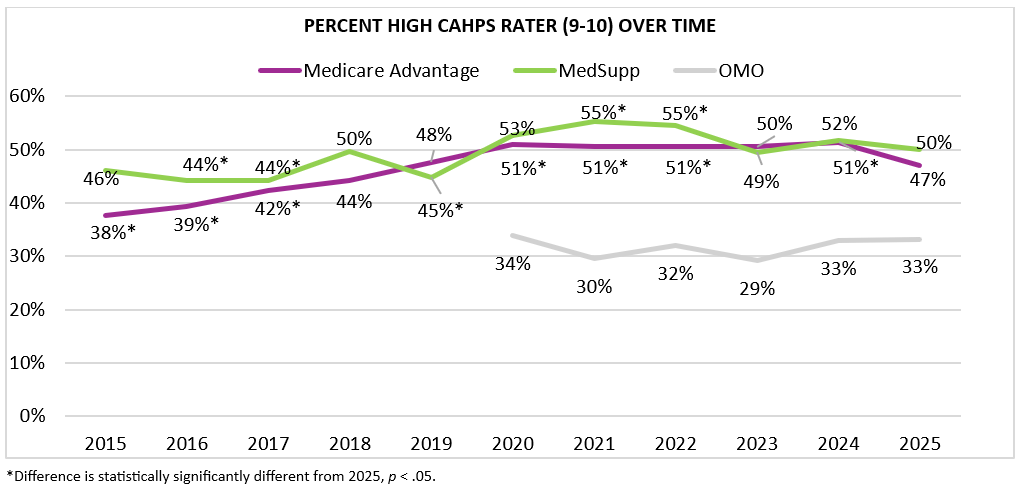
These declines raise an important question: What drives member perceptions of their health plan? One critical factor is trust. In healthcare, trust depends on members’ confidence that their health insurance carrier will deliver on its promises. This includes providing coverage as advertised, processing claims accurately and fairly, maintaining reliable access to providers and medications, helping members navigate the healthcare system when needed, protecting personal health information, and communicating clearly about benefits and changes. Put simply, members want to be confident that their carrier will do what it says it will when they need it most.
Communication serves as a key trust-building mechanism because it shapes members’ expectations and helps them avoid unexpected disruptions in coverage, cost, and access to care. Numerous Deft studies have shown that communication touchpoints are important predictors of CAHPS performance measures. As reported in Deft’s 2025 Medicare Member Experience Study, members’ satisfaction with the assistance they receive from their carriers both in understanding their coverage and using their coverage had the most influence on MA plan ratings—a finding that has been seen for many years. Confusion stemming from carrier communication, such as the Annual Notice of Change (ANOC), can lead to negative member experiences, including unexpected costs or gaps in service. These experiences can erode trust, reduce satisfaction, lower NPS, and increase the likelihood of switching plans.
Trust can be influenced not only by what health plans communicate, but also by when those communications occur. Consider benefit changes, one of the most common sources of disruption in today’s Medicare Advantage market. As reported in Deft’s 2026 Medicare Onboarding and Member Management Study, members who first learn about benefit changes after the start of the plan year are twice as likely to give their plans a low rating as those who were informed before January 1 (12% vs. 6%, respectively).
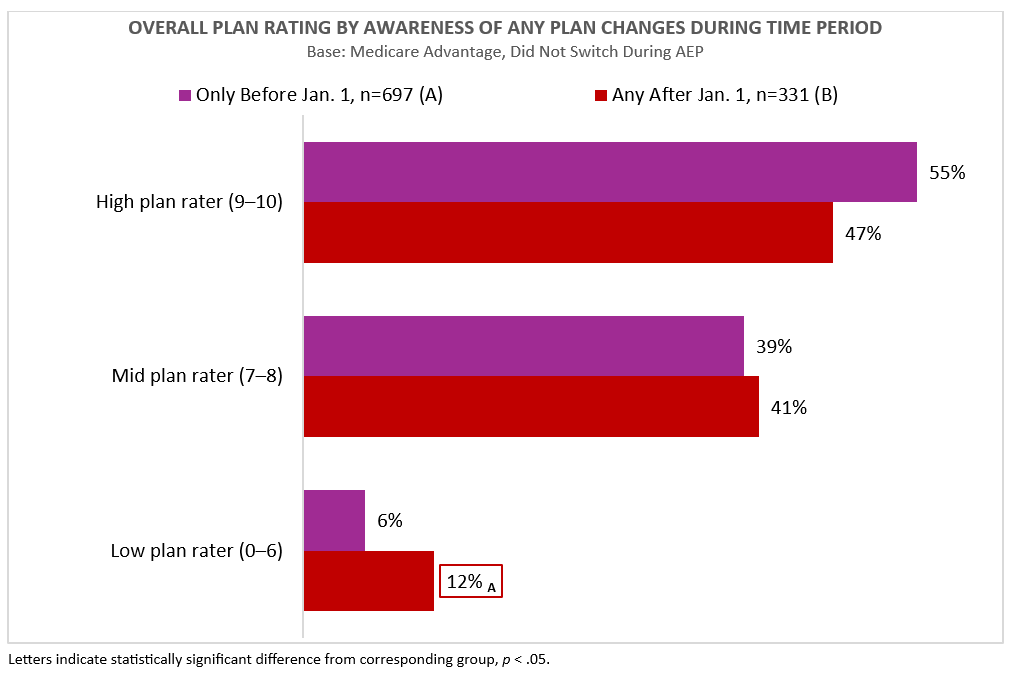
As Medicare Advantage continues to evolve, building and maintaining trust will become increasingly important. While benefit design remains critical, trust is shaped in large part by how effectively carriers communicate with members, particularly before, during, and after periods of change. Carriers need to ensure that all communication they provide to members are clear, timely, and easy to understand. Doing so can help strengthen member relationships, improve satisfaction, and ultimately support stronger quality outcomes.
Deft Research will continue to delve further into the drivers of member trust and their impact on loyalty, CAHPS performance, and member retention over the coming year. In fact, Deft will soon be publishing the 2026 Medicare Member Experience Study which further examines how carriers can tailor their communication to form positive experiences for members.