George Dippel, President of Deft Research –
Stars, Product Design, and Utilization: the three linked imperatives for 2027.
The confluence of these three moves to the forefront every January when MA design teams work through early drafts. There is a need to design plans that not only attract prospects, but to do so with one eye on utilization expectations with the other focused on how these prospects may influence Stars down the road.
Gone are the days of designing to simply grow enrollment. Carriers need to design to grow/maintain Stars while understanding the utilization idiosyncrasies of the seniors they are attracting.
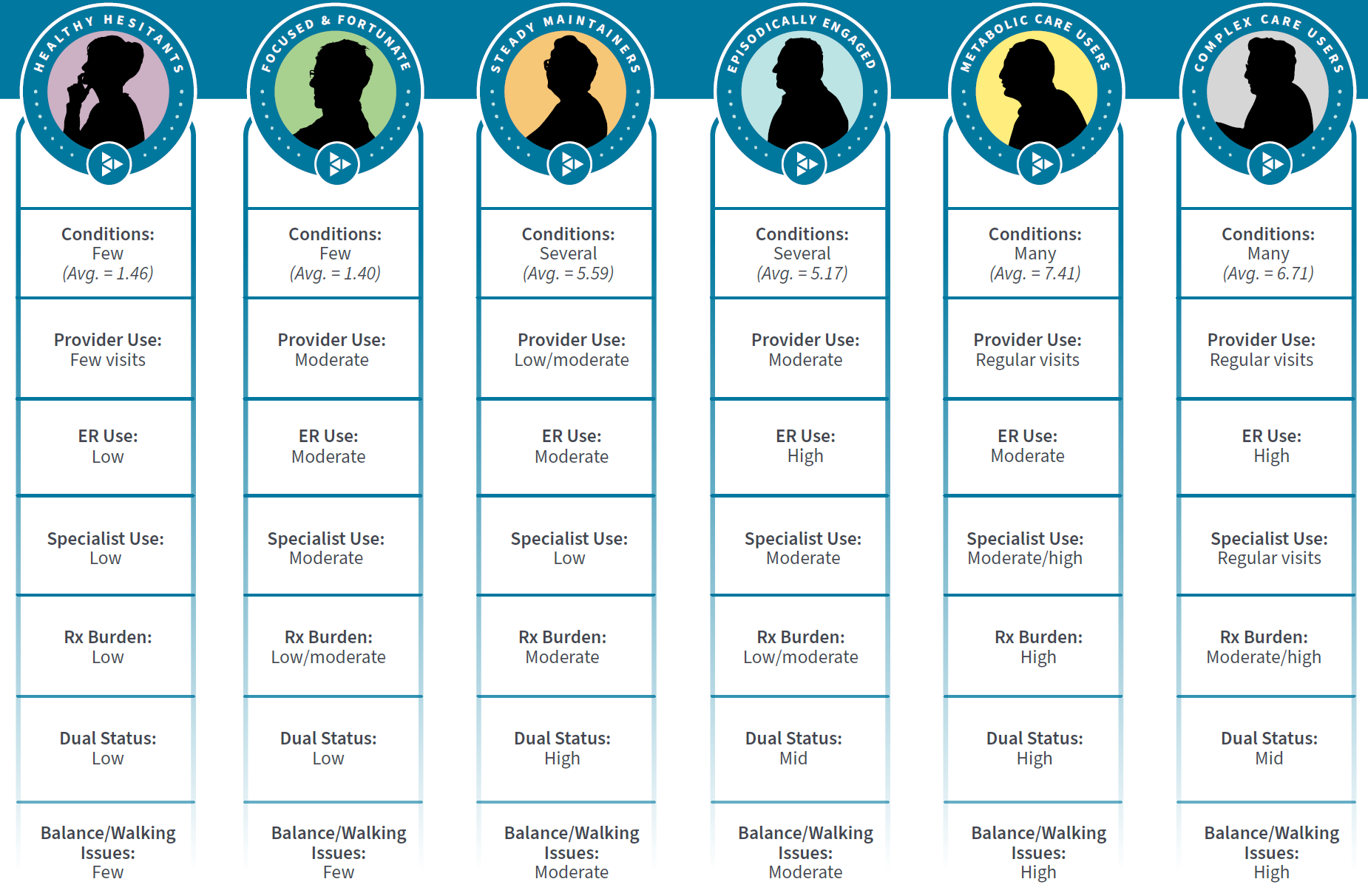
And all three of those imperatives—Stars, product design, and utilization– can be linked when organizations wrap their arms around the segments of the senior population they aim to serve. Deft recently published its most audacious project in our history with the 2026 National Medicare Health Segmentation Study. This thorough examination of 5,200 individual seniors groups them by healthcare utilization and then demonstrates how all departments within an insurer can use the data to better manage current and future members. The report includes insights on how product design preferences are nuanced across all senior health segments as well as how various segments are likely to score on CAHPS. (Our service includes intaking our clients’ member data and returning their member lists with each member slotted into their proper segment.)
This study shows just how challenging it will be to thread the needle in Q1 by designing plans with a balanced array of both traditional and supplemental benefits while knowing not just who will be attracted to these plans, but how they will likely fill out future year CAHPS surveys and score on HEDIS. It’s natural to look at the segmentation chart below and imagine designing plans for any of these segments. But the challenge comes in knowing the attitudes and preferences of each individual group.
Take, for example, the “Healthy Hesitants” seniors. With only 1.5 chronic conditions they will put the least strain on utilization. But the study shows that these “Healthy Hesitants” are statistically significantly more likely to tank carriers’ CAHPS “Best Health Plan” scores vs. other segments, and they are the segment who is most distrusting of mRNA vaccination technology which bodes poorly for HEDIS.
Benefit preferences are just as varied across these health segments as are future CAHPS responses, something 2027 plan designers should consider prior to bid submission.